
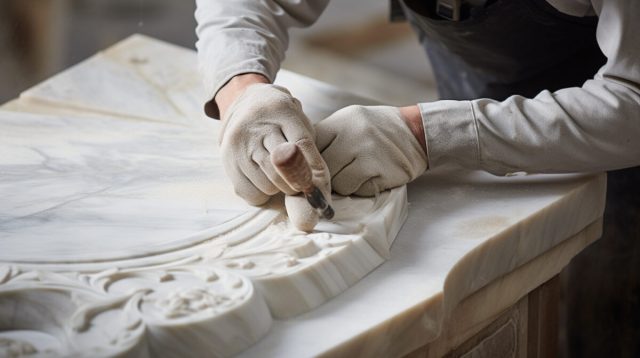
Michelangelo spent two and a half years shaping the statue of David from a block of marble that other artists had rejected as flawed, and in that long, patient labor is a picture of our own spiritual formation. Like stone being steadily polished into a masterpiece, we need time, effort, and even struggle for God to work out the rough places in us. He is the Master Sculptor, gently but firmly chiseling at our character, removing what doesn’t belong and revealing what He always intended. As we yield to His shaping, we begin to progress in our spiritual life, and in time, our transformed lives stand as a testimony—on display for others to see the beauty of His work.
Jeremiah 22 paints a vivid picture of what justice and righteousness should look like by contrasting it with the failures of several kings who ruled without compassion. Instead of caring for their people, these leaders were marked by deep flaws—using their power for themselves while neglecting those who depended on them. They ignored the cries of the robbed, overlooked the needs of the fatherless, and failed to defend the widow, revealing hearts far from God’s standard of leadership. Through their example, the passage calls God’s people back to a life shaped by justice, mercy, and responsibility toward the vulnerable, reminding us that true righteousness is always expressed in how we treat others.
Their refusal to walk in God’s ways brought consequences that could not be avoided, and Jeremiah made it clear that their disobedience would lead to ruin and devastation for the entire nation. What had once been strong and prosperous would be stripped down, cities emptied, and the people carried into exile far from the land God had given them. Yet even in this judgment, there is an echo of the refining process—because just as flawed stone must endure pressure and shaping to become something new, the nation would face continuous struggle so their deep flaws could be exposed and smoothed out. Through hardship, God was still working, chiseling away at what had led them astray, preparing them for a future restoration.
Today, we can be deeply thankful for Jesus, because through Him our flaws don’t have to define us—they can be smoothed out, reshaped, and polished by grace. What we could never fix on our own, God can transform, working on us the way a sculptor works a raw slab of marble into a masterpiece. His discipline like a chisel is the tool that chips away what doesn’t belong and reveals what He always intended. As we accept that grace and follow Jesus day by day, our character is refined, our rough edges softened, and our lives slowly shaped into something that reflects His beauty and purpose.

🙏 Lord, let our lives reveal that we truly know You—not just in words, but in the way we live each day. Make us people who study Your Word with hunger, who pray with sincerity, and who boldly share the Way that leads to life. Continue to chisel our character with the loving tool of discipline, shaping us with patience and purpose. You are the Master Sculptor, forming us into Your masterpiece, smoothing every flaw and refining every rough place. And when Your work in us is seen, may many look upon our lives and recognize Your hand, Your grace, and Your glory on display. Amen.
Photo Source – “Bing.” Microsoft. N.p., n.d. Web. Images >.





Mark, this is such a rich and needed insight. You’ve taken Michelangelo’s long, patient work on David and turned it into a living picture of what God is doing in us — not in a rush, not with shortcuts, but with intentional, loving pressure that reveals what He always intended. That’s the kind of truth the Kingdom runs on. We aren’t self‑made; we’re Spirit‑shaped.
Your connection to Jeremiah 22 is spot‑on. The contrast between flawed leadership and God’s standard of justice becomes even sharper when seen through the lens of the Sculptor’s hands. You remind us that righteousness isn’t abstract — it shows up in how we treat the vulnerable, how we steward influence, how we let God chisel away the selfishness that ruins nations and hearts alike.
And the way you land it in Jesus is beautiful. Our flaws aren’t final. Grace doesn’t just forgive — it forms. It shapes. It restores. That’s the hope every disciple needs when the chiseling feels relentless.
Grateful for your voice, brother. Keep pointing us to the King who is shaping His people into something that actually looks like Him. Your words help us welcome the process instead of resisting it.
LikeLiked by 1 person
Through every trial and struggle, let us choose God’s Way, trusting that He will smooth the rough places in us. Blessings for a day filled with His presence!
LikeLike