

During the days of Jeremiah, the nation was shaped by voices that had no business leading anyone. Those in authority—men who should have guarded the people—were instead guiding them into darkness. They operated like con men and scammers, cloaked in influence but empty of integrity. Their leadership carried a bite, subtle at first, but laced with deception that spread like poison through the heart of society. As Jeremiah 24 opens, the Lord exposes this corruption with a vivid picture of two baskets of figs, reminding the people that not every leader is trustworthy and not every path is safe simply because someone in power points toward it.
The political landscape had become a reflection of the nation’s spiritual decline. Jeremiah had long warned the people that corruption at the top would eventually corrode everything beneath it, yet those in power continued to steer the nation down a destructive path. Their decisions were not rooted in justice or obedience to God but in self‑interest, deception, and misplaced confidence. In this chapter, Jeremiah delivers a sobering prophecy: judgment was coming. The Lord would not overlook the nation’s rebellion or the leaders’ refusal to repent. The consequences would fall, not out of cruelty, but as the inevitable result of a people who ignored every warning and had chosen the wrong road.
Jeremiah’s vision of the two baskets of figs revealed the true spiritual condition of the nation. The good figs represented the people of Judah who had already been taken into captivity—those who, despite their suffering, still trusted God. To them the Lord promised His favor, His protection, and a bright future. He would watch over them in exile and, in His perfect time, bring them back home. But the rotten figs told a different story. They symbolized King Zedekiah, his officials, and the people who refused to trust God, choosing instead to align with Egypt for safety. Over them the Lord declared a harsh reality: war, famine, and disease would follow, because they had rejected His warnings and placed their hope on everything but Him.
When life feels confusing or difficult, our response to God becomes the turning point that shapes everything ahead. This passage reminds us that even in uncertain seasons, God invites us to trust Him fully as He guides us toward a brighter future. A picture is worth a thousand words, and God often paints hope in our hearts long before we see it with our eyes. So, we pray for Him to shape that picture within us—a vision of restoration, strength, and purpose. As that picture grows clearer, faith rises, and we begin to believe again that we can soar like an eagle, lifted by His Spirit, living in a way that brings glory to His name.
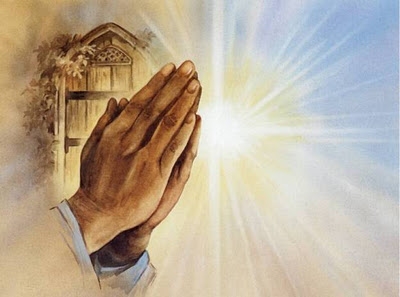
🙏 Heavenly Father, even when times are difficult and the path ahead feels uncertain, we choose to trust You. We pray for better days — days filled with peace, renewal, and purpose. Paint a picture in our hearts of the future You have prepared, one radiant with hope and guided by Your hand. Move that vision from our minds to our hearts so it becomes living faith within us. Show us the steps to walk in obedience, applying our faith in action and word, so that everything we do brings glory to Your name. Amen.





Congratulations, Mark. The insight at the heart of your article was both timely and compelling. You took a complex subject and made it accessible without oversimplifying it. I came away with a deeper appreciation for the issue and several new things to consider. Thank you for sharing your wisdom and experience.
LikeLike